Certified in functional training and nutrition, Carisa Gaylardo is an experienced fitness professional in New York City. A graduate of SUNY at Cortland, she works as a fitness professional and stretch therapist at Lifetime Athletic Fitness. Outside of work, Carisa Gaylardo enjoys many outdoor activities, including rock scrambling.
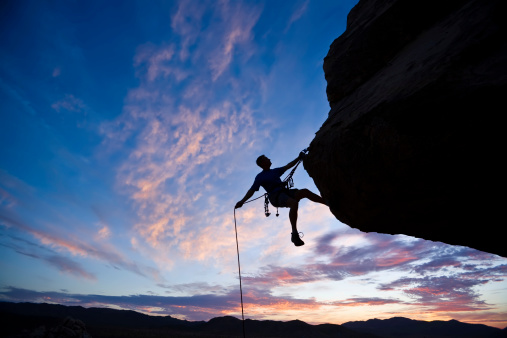
A middle ground between rock climbing and hiking, rock scrambling does not require the use of any rope or technical climbing gear. It involves climbing an easy rock face or mountain using the hands for balance. The use of the hands is what sets rock scrambling apart from hiking.
The purpose of the handholds in the rock also distinguishes rock scrambling from rock climbing. With rock climbing, climbers use holds when supporting their body weight or pulling their bodies upward. Rock scramblers use handholds for balance only, not for the purpose of propelling the body in any direction.
There is also a belief that rock scrambling is safer than rock climbing. It is true that some scrambling areas have minimal risk of fall. Most rock scrambling sections receive a grade between one and three, with grade three routes sometimes requiring a rope. For higher-graded scrambling areas, people may bring a short rope for safety.
However, not all rock scrambling settings are safe. In higher-grade scrambling sections, people attempt steeper or more dangerous ascents, often with less gear than a rock climber. This increases their risk of injury.
 Carisa Gaylardo